
Identify your home’s water system
You do not need technical knowledge to describe your water system. Almost every UK home comes down to three things you can look for: a boiler or heat source, a hot-water cylinder (usually in an airing cupboard) and tanks in the loft. This guide shows you what each one looks like, what it usually means, and why it matters for a Legionella risk assessment.
It is an educational guide, not a substitute for inspection by a competent plumber or risk assessor.
Stay safe while you look
Jump to a section
At a glance helper
At a glance: which system is it?
Three questions give you a likely answer. This is an indication to help you look in the right place — it is not a definitive diagnosis, and it never replaces a competent plumber or risk assessor.
Answer the three questions for an indication, or simply read on — the whole guide is below.
Common UK system types
Five arrangements cover the vast majority of UK homes. Read the one that matches what you can see — and if two seem to fit, note the uncertainty in your assessment.
Combination (combi) boiler — instantaneous hot water
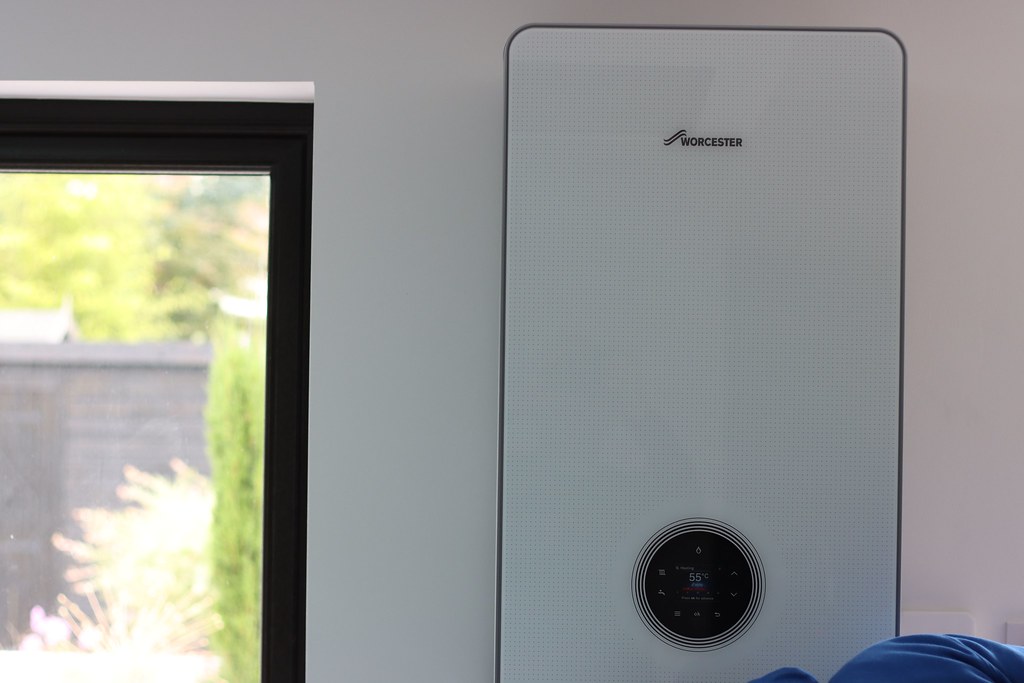
The most common arrangement in newer UK flats and smaller houses. Hot water is heated as it flows, so there is normally nothing stored.
What to look for
- A wall-hung boiler, often in a kitchen, utility room or bathroom cupboard
- No hot-water cylinder anywhere in the property, and usually an empty or repurposed airing cupboard
- No tanks in the loft feeding the taps
- The boiler fires up shortly after a hot tap or shower is opened
What it usually means
- Hot water is produced on demand from the incoming mains, not from a store
- Cold water at the taps normally comes straight off the incoming mains
Why it matters for Legionella
- There is no stored hot or cold water, so storage-related risk is lower.
- Pipework can still stagnate: little-used outlets, long branches and redundant pipe left behind after alterations still need to be identified and used or removed.
- Showers still create a fine spray, so cleanliness and regular use of the shower head and hose still matter.
Conventional (regular) boiler with a vented cylinder and loft cisterns
The traditional UK arrangement in older houses: stored hot water in an airing cupboard, fed by cold water stored in the loft.
What to look for
- A copper or jacketed cylinder in an airing cupboard, usually with pipework at the top and often a cylinder thermostat strapped to the side
- A larger cistern in the loft — this is the cold-water store that feeds taps, and often the cylinder
- A second, much smaller cistern nearby serving the central heating
- Hot water that can run out after long use and then needs time to recover
What it usually means
- Both hot and cold water are stored in the property
- Hot water is normally at low (gravity) pressure, although a pump may have been added
Why it matters for Legionella
- Stored water gives Legionella more opportunity to grow if temperatures drift into the warm range, so the stored hot temperature and the condition of the cold cistern both matter.
- The cold-water cistern should be covered, insulated, screened where it vents or overflows, and free from debris, scale and sediment.
- Cold water stored in a warm loft can rise in temperature in summer, which is one of the main reasons this arrangement gets more attention in an assessment.
System boiler with an unvented, mains-pressure cylinder
Common in modern refurbishments and larger homes: a sealed cylinder at mains pressure, with no loft tanks feeding the taps.
What to look for
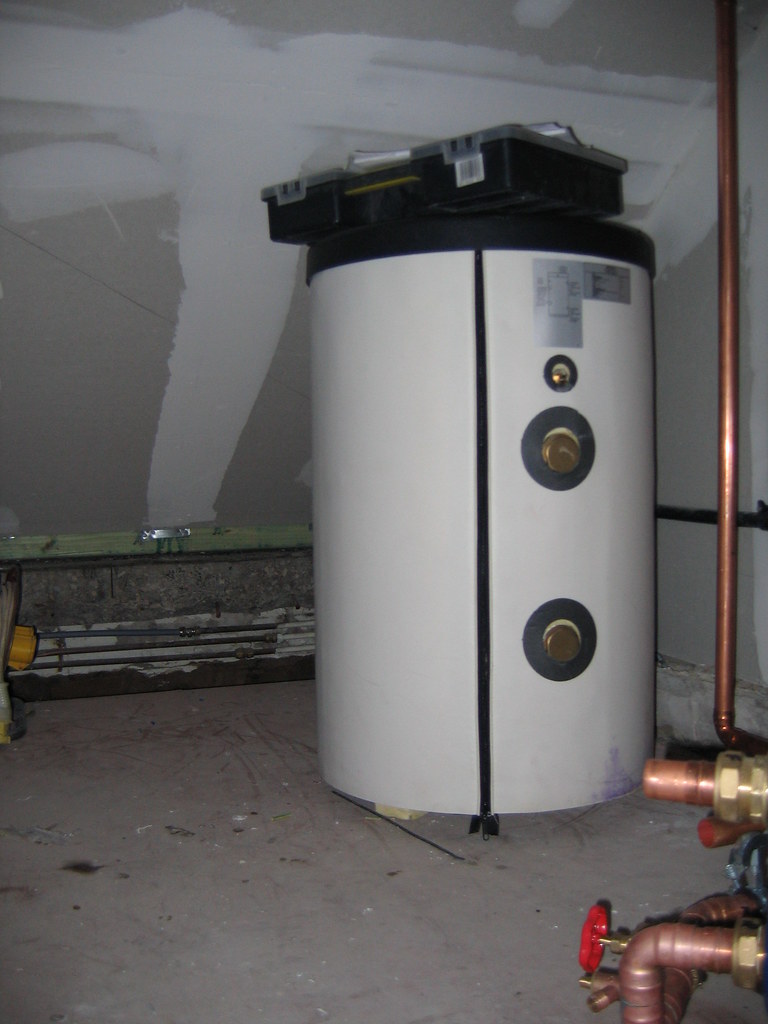
- A tall, smooth, factory-insulated cylinder — often white or grey — frequently labelled with the words unvented, or with a safety data plate
- A group of valves and a discharge pipe near the cylinder, and often a small sealed vessel alongside it
- No cistern in the loft feeding the taps (there may still be nothing at all in the loft)
- Strong flow at hot taps, similar to the cold taps
What it usually means
- Hot water is stored, but the cold supply to the outlets comes from the mains
- There is a safety arrangement (expansion and discharge) that is part of the appliance
Why it matters for Legionella
- Stored hot water still needs to be hot enough throughout, so the stored temperature and how quickly hot water arrives at outlets both matter.
- Because cold water is not stored, the cold side is usually more stable — but warming of cold pipework where it runs beside hot pipes or through warm spaces still applies.
Safety
Heat pump with a hot-water cylinder
Increasingly common. There is no gas boiler, but hot water is still stored — so the storage questions in an assessment still apply.
What to look for
- An outdoor unit resembling an air-conditioning box, usually against an external wall
- A tall insulated cylinder indoors, often larger than a traditional cylinder, sometimes with a controller screen
- Controls that mention a weekly or periodic hot-water boost, sterilisation or legionella cycle
What it usually means
- Hot water is stored and heated at a lower temperature than a gas boiler would typically use
- A periodic high-temperature cycle is often used to raise the stored temperature
Why it matters for Legionella
- Lower day-to-day storage temperatures make the stored hot-water temperature and any scheduled high-temperature cycle important things to record.
- Check the settings are actually enabled and that the cycle is happening, rather than assuming it because the equipment supports it.
Electric immersion, thermal storage and point-of-use heaters
All-electric properties vary widely. The key question is still simple: is hot water stored, or made instantly at the outlet?
What to look for
- Immersion-heated cylinder: a cylinder with one or two round electrical covers in the side, cabling to a switch, and often an off-peak timer
- Instantaneous electric shower: a plastic unit on the bathroom wall with a pull cord or power switch, a temperature dial, and only a cold pipe feeding it
- Point-of-use heater: a small tank or slim unit under a sink or above a basin serving that outlet alone
What it usually means
- An immersion cylinder stores hot water, so storage temperature matters
- An instantaneous electric shower or small under-sink heater heats water as it is used, so there is little or no store
Why it matters for Legionella
- An immersion-heated store that is only switched on for short periods can sit at lukewarm temperatures, which is the situation to avoid.
- Electric showers still produce a fine spray, so the head, hose and how often it is used still matter.
- Small stored-water heaters serving a single tap are easy to overlook — note them in the outlet register.
Side-by-side comparison
Pressure and flow are clues, not proof — plenty of systems have been altered, pumped or partly replaced. Use the whole row, not one column.
Combi boiler
- Likely heat source
- Wall-hung gas or oil boiler
- Hot-water cylinder?
- No
- Loft storage?
- None feeding the taps
- Typical pressure clues
- Mains pressure hot and cold; flow can drop when two outlets run
- Main Legionella-relevant checks
- Little-used outlets, showers, redundant pipework, hot arriving quickly at the tap
Conventional boiler, vented cylinder
- Likely heat source
- Boiler, often with an immersion heater as backup
- Hot-water cylinder?
- Yes — vented, often copper or jacketed
- Loft storage?
- Large cold-water cistern, plus a small feed-and-expansion cistern
- Typical pressure clues
- Gravity hot water; weaker flow upstairs unless pumped
- Main Legionella-relevant checks
- Stored hot temperature, cistern condition, cover and insulation, stored cold temperature
System boiler, unvented cylinder
- Likely heat source
- System boiler
- Hot-water cylinder?
- Yes — unvented, sealed and insulated
- Loft storage?
- None feeding the taps
- Typical pressure clues
- Strong hot flow similar to cold
- Main Legionella-relevant checks
- Stored hot temperature, time for hot to reach outlets, G3 servicing evidence
Heat pump with cylinder
- Likely heat source
- Outdoor air- or ground-source unit
- Hot-water cylinder?
- Yes — usually large and insulated
- Loft storage?
- Usually none
- Typical pressure clues
- Usually mains pressure
- Main Legionella-relevant checks
- Stored hot temperature, whether a periodic high-temperature cycle is enabled and running
Electric immersion or point-of-use
- Likely heat source
- Immersion heater, electric shower or small local heater
- Hot-water cylinder?
- Sometimes — depends on the property
- Loft storage?
- Sometimes, in older properties
- Typical pressure clues
- Varies; an electric shower has only a cold feed
- Main Legionella-relevant checks
- Whether water is stored at all, heating schedule, shower head and hose condition
Rotate your phone or view on a larger screen for the full comparison table.
| System | Likely heat source | Hot-water cylinder? | Loft storage? | Typical pressure clues | Main Legionella-relevant checks |
|---|---|---|---|---|---|
| Combi boiler | Wall-hung gas or oil boiler | No | None feeding the taps | Mains pressure hot and cold; flow can drop when two outlets run | Little-used outlets, showers, redundant pipework, hot arriving quickly at the tap |
| Conventional boiler, vented cylinder | Boiler, often with an immersion heater as backup | Yes — vented, often copper or jacketed | Large cold-water cistern, plus a small feed-and-expansion cistern | Gravity hot water; weaker flow upstairs unless pumped | Stored hot temperature, cistern condition, cover and insulation, stored cold temperature |
| System boiler, unvented cylinder | System boiler | Yes — unvented, sealed and insulated | None feeding the taps | Strong hot flow similar to cold | Stored hot temperature, time for hot to reach outlets, G3 servicing evidence |
| Heat pump with cylinder | Outdoor air- or ground-source unit | Yes — usually large and insulated | Usually none | Usually mains pressure | Stored hot temperature, whether a periodic high-temperature cycle is enabled and running |
| Electric immersion or point-of-use | Immersion heater, electric shower or small local heater | Sometimes — depends on the property | Sometimes, in older properties | Varies; an electric shower has only a cold feed | Whether water is stored at all, heating schedule, shower head and hose condition |
Identify the components
These are the parts an assessment asks about. Getting their names right is most of the job.
Hot-water cylinder — vented or unvented
What to look for
- Vented cues: bare copper or a quilted jacket, an open vent pipe rising from the top, gravity-fed pipework, a cistern in the loft above
- Unvented cues: a smooth factory-insulated case, a data plate or the word unvented, a valve group with a discharge pipe, no loft cistern feeding the taps
- A cylinder thermostat clipped to the side under the insulation, and one or two round immersion-heater covers
- How complete the insulation is, and whether pipework at the top is insulated
Why it matters
- This is the stored hot water. Where hot water is stored it should be kept hot — HSE's practical framing is at least 60°C stored, with hot water reaching about 50°C at the outlet within a minute.
- That is hot enough to scald, which is why mixing valves are fitted at some outlets and why you should be careful when running hot taps.
- Photograph the whole cylinder and any visible labels or controls. Do not open, adjust or dismantle anything.
Safety
Cold-water storage cistern — usually the larger loft tank
What to look for
- The bigger of the tanks in the loft, typically black or dark plastic (older properties may still have galvanised steel)
- A close-fitting lid, insulation around the sides and top, and a screened vent or overflow
- Water that looks clear, with no debris, insects, rust flakes, scale or sediment on the base
- Whether the loft can be reached safely from a boarded, lit access point — if not, record it as not safely accessible
Why it matters
- This is stored cold water feeding the taps, so it should stay cold — below 20°C where that is achievable — and stay clean and covered.
- A missing or poorly fitting lid lets in dust, insects and light, and a warm loft in summer raises the stored temperature.
- Condition, cover and temperature of this cistern are among the most useful observations in a domestic assessment.
Feed-and-expansion cistern — the smaller loft tank
What to look for
- A much smaller tank, often alongside or higher than the large cistern
- Only one or two pipes, connected to the heating system rather than to taps
- Water that may look discoloured because it is heating-system water
Why it matters
- This serves the central heating circuit. It is not normally part of the drinking or washing water system, so do not record it as your domestic cold-water storage tank.
- Mixing the two up is a common error and makes an assessment misleading — if you cannot tell which is which, say so and ask a plumber.
Expansion vessel — not a water tank
What to look for
- A sealed metal vessel, commonly red, white or grey, usually round or cylindrical
- Fixed to a wall or bracket, or sitting beside or under a cylinder, with a single pipe connection and often a small valve cap
- Frequently found near a combi boiler or an unvented cylinder
Why it matters
- It absorbs pressure changes in a sealed system. It is not a store of drinking water and must not be confused with a loft cistern.
- Recording an expansion vessel as stored water leads to the wrong conclusions about the system, so label it correctly or leave it to a professional.
Thermostatic mixing valve (TMV)
What to look for
- A small brass or chrome valve body where a hot and a cold pipe meet close to a bath, basin or shower
- Often under a basin, behind a bath panel, inside a shower valve, or in a nearby cupboard
- Sometimes an adjustable cap or a temperature marking on the body
Why it matters
- A TMV blends hot and cold to limit the temperature at the outlet and reduce scalding risk.
- That means a comfortable temperature at the tap does not tell you how hot the stored or distributed water is. Record where TMVs are fitted so temperature readings are interpreted correctly.
- Do not remove or adjust a TMV. Note it, photograph it if visible, and take temperatures at an unblended outlet where one is available.
Shower head and hose
What to look for
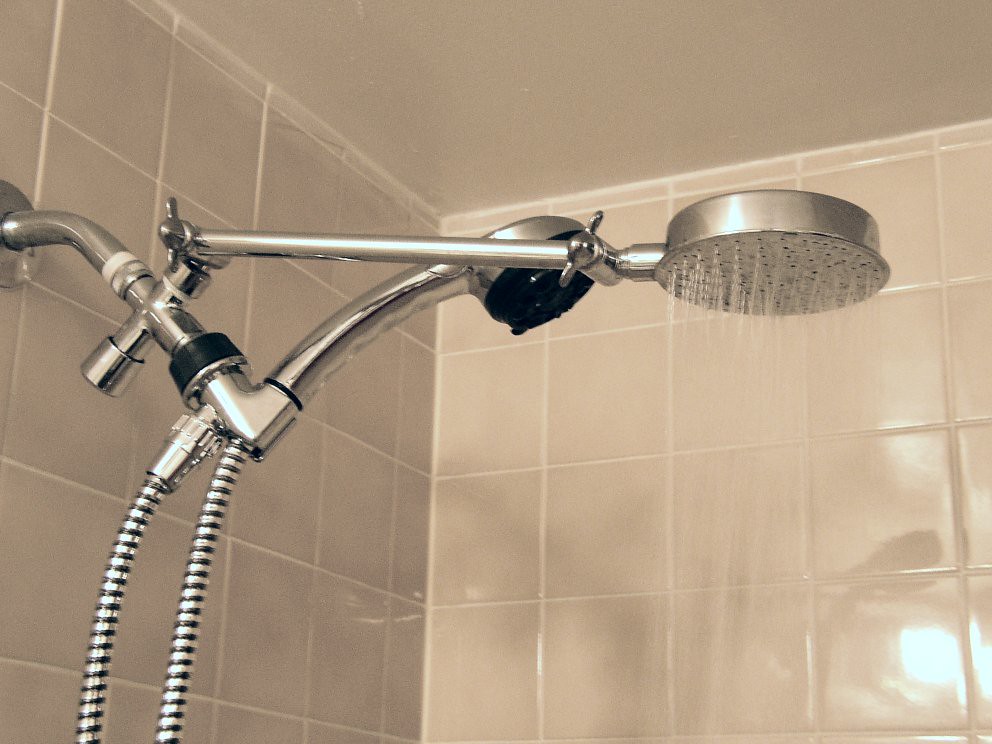
- Limescale or discolouration around the spray face, and a hose that has been left lying in the tray
- How often the shower is actually used, especially in a spare bathroom or en-suite
- Whether the head can be cleaned and descaled, or should simply be replaced
Why it matters
- Showers create a fine spray that can be breathed in, which is the main route of exposure in a home.
- Scale and biofilm inside a head or hose give bacteria somewhere to sit, and a shower left unused holds warm water.
- Regular use, plus periodic cleaning and descaling of the head and hose, is one of the simplest and most effective controls.
Stop tap and incoming mains
What to look for
- An internal stop tap, commonly under the kitchen sink, in a utility room, or near where the supply enters the building
- The pipe that rises from the floor and feeds the rest of the property
- In flats, the internal isolation point serving that flat only
Why it matters
- Knowing where the supply enters helps you describe the system and identify which pipework is mains-fed and which is fed from storage.
- This is for identification only. Do not operate shared, external or buried valves, or anything serving other homes.
Rarely used outlets
What to look for
- Spare bathrooms, en-suites and cloakrooms in occasional use
- Outside taps, utility sinks, bidets and appliance connections
- Outlets with dry traps, stiff handles or discoloured first-draw water
Why it matters
- Water sitting still in a branch is the everyday version of the risk this whole guide is about — keeping water moving is a control in its own right.
- List each of these outlets and either bring them into regular use or flush them on a routine you can evidence.
Dead legs, dead ends and little-used outlets
These two terms get mixed up constantly, and the difference matters when you write an assessment.
- Dead end (or blind end)
- A redundant length of pipe, closed at one end, through which water cannot flow. Nothing draws off it, so the water in it simply sits there.
- Dead leg
- A pipe that does lead to an outlet, but where the outlet is unused or only rarely used — so in practice water stands in it for long periods.
Typical clues and examples
- A capped or blanked pipe stub where a basin, bidet, washing machine or dishwasher used to be
- A redundant branch left in place after a kitchen or bathroom refurbishment
- A capped branch to an outside tap that was removed or never finished
- An unused guest shower, en-suite basin or cloakroom tap that goes months without use
- First-draw water that runs discoloured or smells stale at a particular outlet
What a walk-through cannot tell you
What to photograph for your assessment
Good photographs make an assessment far easier to stand behind later. Take them from a safe position, with everything left as you found it.
Heat source
- The front of the boiler, heat pump indoor unit or electric heater, showing the model label — with all covers left in place
- Any visible controller or timer screen showing the current settings
Stored hot water
- The full hot-water cylinder from a step or two back, so its size and connections are visible
- Visible labels, data plates, cylinder thermostat and immersion covers — photographed, not opened
Loft storage
- Each cistern in the loft, but only where the loft is reached safely from a boarded, lit access point
- The lid and insulation, so their condition is visible
- If access is not safe, record the item as not safely accessible and say why — that is a valid, useful answer
Outlets and pipework
- Shower heads and hoses, close enough to show scale or discolouration
- Little-used taps and outside taps
- Visible capped or blanked pipe stubs, and TMVs where they can be seen without dismantling anything
Keep the frame clean
- No people, keys, documents, post, addresses or screens showing personal information
- No photograph that would require climbing across joists, working at height or reaching over hot or electrical equipment
Already taken photos on your phone? You can import an unorganised batch into an assessment and assign each photo to the right outlet as you go.
When to get professional help
Ask a competent plumber or risk assessor if…
- You cannot work out what kind of system the property has
- You suspect redundant pipework, capped stubs or dead ends left behind by past work
- A cistern is damaged, uncovered, dirty, scaled or holds discoloured water
- Hot water is not heating properly, or runs only lukewarm
- Cold water runs warm at the tap, or stored cold water feels warm
- Loft access is unsafe, unboarded, unlit or otherwise not something to attempt
- Anything involving an unvented cylinder, which is G3-qualified work
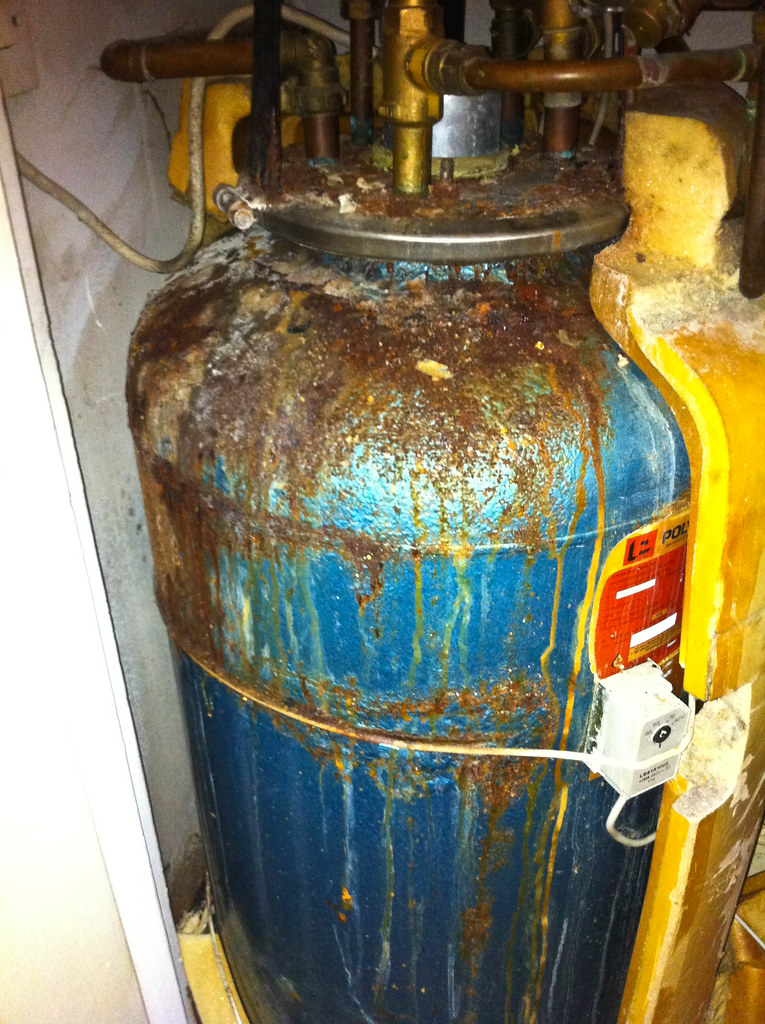
- Visible leaks, corrosion, staining or damaged insulation
For most domestic rented homes, a simple, proportionate assessment and sensible controls — keeping hot water hot, cold water cold and water moving — are what is expected. Routine laboratory sampling is not normally needed in an ordinary domestic property, and this guide does not suggest otherwise. For the duties that apply where you let property, see our advice by country.
Common questions
Ready to assess your property?
Answer a few questions about the property and LegionellaWise guides you through the outlets, temperatures and photographs — then produces a dated report you can keep on file.
Sources and further reading
Technical definitions and temperature framing on this page are paraphrased from current UK guidance. In practice that guidance comes down to keeping hot water hot, cold water cold and water moving: where hot water is stored it should be kept at least 60 °C and reach around 50 °C at the outlet within a minute, and cold water should stay below 20 °C where that can be achieved. Water hot enough to control bacteria is hot enough to scald, which is why mixing valves are fitted at some outlets.
- Legionnaires' disease: hot and cold water systems — Health and Safety Executive
- Legionella and landlords' responsibilities — Health and Safety Executive
- Managing legionella in hot and cold water systems — Health and Safety Executive
- Water storage tanks and cisterns — Drinking Water Inspectorate
Photo credits and licences
- Wall hung combi boiler in kitchen by Heatable on Flickr, licensed under CC BY 2.0. Used unmodified. Displayed at a fixed 3:2 aspect ratio, so edges may be cropped by your browser.
- Header tank (foam-insulated storage cylinder) by Bryn Pinzgauer on Flickr, licensed under CC BY 2.0. Used unmodified. Shown as a general example of a factory-insulated cylinder, not of a specific product type.
- shower-head by Spring Dew on Flickr, licensed under CC BY 2.0. Used unmodified.
- Hot water cylinder by secretlondon123 on Flickr, licensed under CC BY-SA 2.0. Used unmodified as an example of visible corrosion and staining.
- All diagrams and schematics on this page are original LegionellaWise illustrations. Where no correctly licensed photograph of a UK component could be verified — loft cisterns, feed-and-expansion cisterns, expansion vessels, mixing valves and pipework layouts — a labelled illustration is used instead of a photograph.